
728x90 728x90_1 IFRAME SYNC

A Comprehensive Guide to Fitness Supplements

 A Comprehensive Guide to Fitness Supplements

Do you take fitness supplements? Whether you're a seasoned athlete or someone looking to enhance your fitness journey, understanding the world of supplements is essential. In this guide, we'll explore everything you need to know about fitness supplements, from their benefits to potential risks, and how to choose the right ones for your needs.

Table of Contents

Introduction

Benefits of Fitness Supplements

  • ·        Improved Performance
·        Enhanced Recovery
·        Muscle Growth
·        Nutritional Support
·        Convenience

Types of Fitness Supplements

·        Protein Supplements

·        Creatine

·        BCAAs (Branched-Chain Amino Acids)

·        Pre-Workout Supplements

·        Post-Workout Supplements

Considerations Before Taking Supplements

·        Consultation with Healthcare Professional

·        Quality and Safety

·        Potential Side Effects

FAQ

Benefits of Fitness Supplements

Improved Performance

Fitness supplements can enhance performance during workouts by providing the body with additional energy and nutrients. This can result in increased strength, endurance, and overall athletic performance.

Enhanced Recovery

Supplements play a crucial role in post-exercise recovery by replenishing glycogen stores, repairing muscle tissue, and reducing inflammation. This leads to faster recovery times and less muscle soreness after intense workouts.

Muscle Growth

Many fitness supplements, such as protein powders and creatine, are known for their ability to promote muscle growth and strength gains. When combined with proper training and nutrition, these supplements can help individuals achieve their muscle-building goals more efficiently.

Nutritional Support

In some cases, it may be challenging to meet daily nutritional requirements through diet alone. Fitness supplements can fill in the gaps by providing essential vitamins, minerals, and other nutrients necessary for optimal health and performance.

Convenience

Fitness supplements offer a convenient and efficient way to consume nutrients that may be difficult to obtain from food sources alone. They are convenient for busy individuals or those with specific dietary restrictions.

Types of Fitness Supplements

Protein Supplements

Protein supplements, such as whey protein or plant-based protein powders, are popular among fitness enthusiasts for their role in muscle repair and growth. They are often consumed before or after workouts to support muscle recovery and promote muscle protein synthesis.

Creatine

Creatine is a naturally occurring compound found in muscle cells, which helps produce energy during high-intensity exercise. Supplementing with creatine has been shown to increase muscle mass, strength, and exercise performance.

BCAAs (Branched-Chain Amino Acids)

BCAAs, including leucine, isoleucine, and valine, are essential amino acids that play a key role in muscle protein synthesis and energy production. They are often taken as supplements to support muscle growth, reduce muscle fatigue, and improve exercise performance.

Pre-Workout Supplements
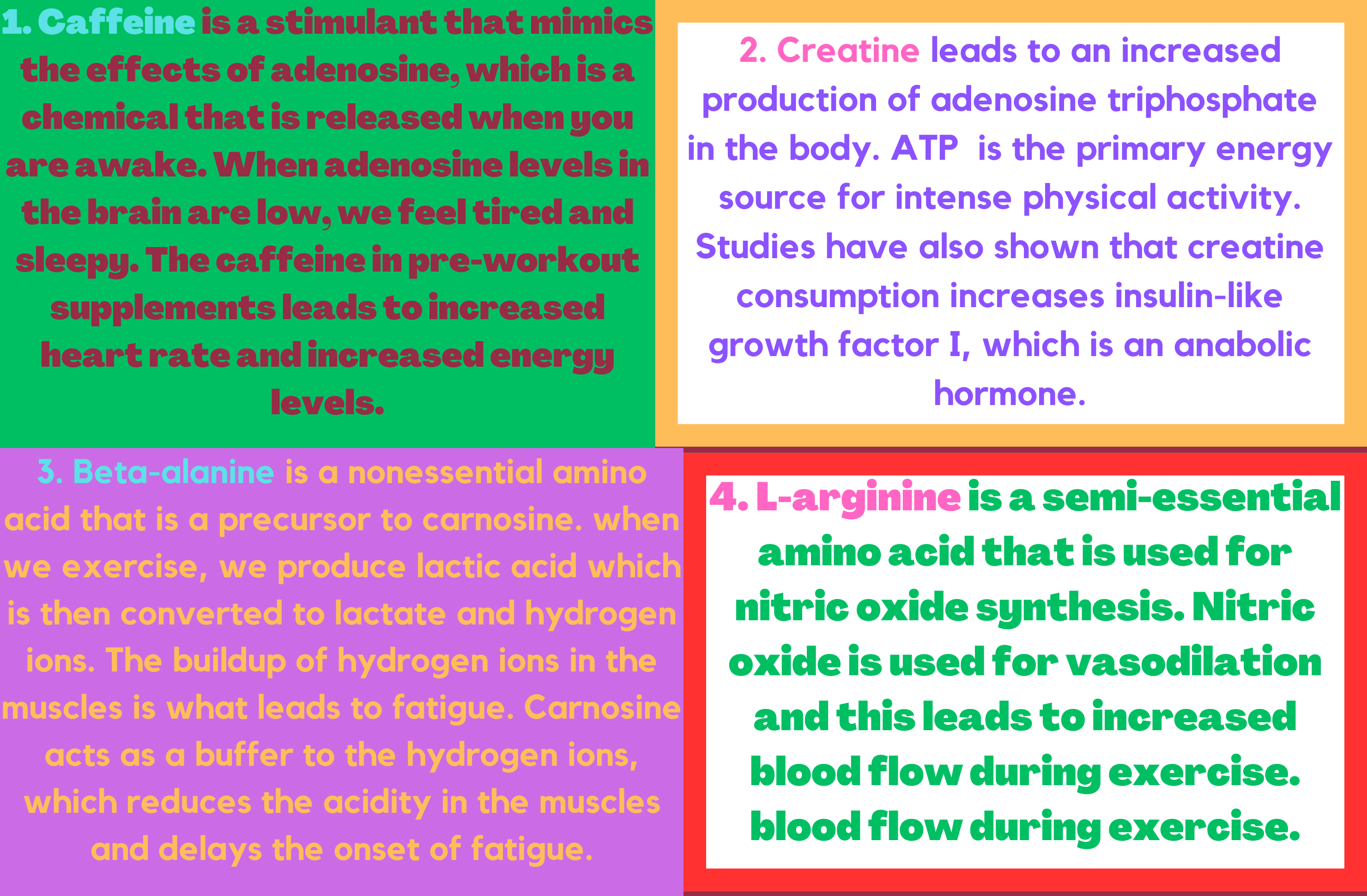


Pre-workout supplements typically contain ingredients like caffeine, beta-alanine, and nitric oxide precursors, which are designed to increase energy, focus, and endurance during workouts. They can help individuals push through intense training sessions and maximize performance.

Post-Workout Supplements


Post-workout supplements are formulated to support recovery and muscle repair after exercise. They often contain ingredients like protein, carbohydrates, and amino acids to replenish glycogen stores, reduce muscle breakdown, and promote muscle growth.

Considerations Before Taking Supplements

Consultation with a Healthcare Professional

Before starting any new supplement regimen, it's essential to consult with a healthcare professional, especially if you have any underlying health conditions or are taking medications that may interact with supplements.

Quality and Safety

When choosing fitness supplements, opt for reputable brands that undergo third-party testing and adhere to quality and safety standards. Avoid products that contain banned substances or proprietary blends with undisclosed ingredients.

Potential Side Effects

While most fitness supplements are safe when taken as directed, some may cause side effects in certain individuals. These may include gastrointestinal discomfort, allergic reactions, or interactions with medications. It's essential to be aware of potential side effects and discontinue use if any adverse reactions occur.

FAQ

Q: Are fitness supplements necessary for everyone?

A: No, fitness supplements are not necessary for everyone. They can benefit individuals with specific fitness goals or dietary needs, but they should not replace a balanced diet or healthy lifestyle.

Q: Can fitness supplements help with weight loss?

A: Some fitness supplements, such as protein powders or fat burners, may aid in weight loss when combined with a calorie-controlled diet and regular exercise. However, they are not a magic solution and should be used with other lifestyle modifications for optimal results.

Q: How do I know which fitness supplements are right for me?

A: The best fitness supplements for you will depend on your individual goals, dietary preferences, and any underlying health conditions. Researching different supplements, consulting with a healthcare professional, and considering your specific needs before planning is essential.

META Description: Explore the benefits of fitness supplements, types available, considerations before taking them, and frequently asked questions. Learn how to choose the right supplements for your fitness goals.

Long-tail URL Slug: benefits-types-fitness-supplements

Focus Keyword: fitness supplements!

Best Ways to Lose Fat and Weight: Expert Tips and Strategies

 Best Ways to Lose Fat and Weight: Expert Tips and Strategies

Table of Contents

1. Introduction

2. Understanding Fat Loss vs. Weight Loss

3. Creating a Calorie Deficit

4. Balanced Nutrition and Portion Control

5. Incorporating Physical Activity

6. Building Lean Muscle Mass

7. Hydration and Its Role in Weight Loss

8. Managing Stress and Sleep

9. Tracking Progress and Adjustments

10. FAQ

Introduction

Embarking on a journey to lose fat and weight can be both challenging and rewarding. With countless diets, workout plans, and supplements available, it's easy to feel overwhelmed by the sheer amount of information out there. In this comprehensive guide, we'll explore the most effective strategies for achieving sustainable fat loss and weight management.

Understanding Fat Loss vs. Weight Loss

Before diving into specific strategies, it's essential to distinguish between fat loss and weight loss. While the terms are often used interchangeably, they refer to different processes within the body. Fat loss specifically targets the reduction of adipose tissue, while weight loss encompasses changes in overall body weight, including water weight, muscle mass, and organ size.

Fat Loss

Targeted Reduction: Focuses on decreasing body fat percentage while preserving lean muscle mass.

Health Benefits: Associated with improved metabolic health, reduced risk of chronic diseases, and enhanced physical performance.

Sustainable Approach: A gradual and sustainable process that prioritizes long-term lifestyle changes over quick fixes.

Weight Loss


Varied Components: Involves changes in body composition, including fat, muscle, water, and organ mass.

Short-Term vs. Long-Term: This can result in rapid fluctuations due to factors like water retention and glycogen depletion.

Maintenance Challenges: Often requires ongoing effort to sustain weight loss results and prevent regain.

Creating a Calorie Deficit

At the core of any effective fat loss or weight loss plan is the principle of achieving a calorie deficit. This means consuming fewer calories than your body expends, leading to the utilization of stored fat for energy. There are several approaches to creating a calorie deficit, including:

Counting Calories

Calorie Tracking: Utilize apps or food journals to monitor daily calorie intake and ensure it aligns with your goals.

Caloric Restriction: Gradually reduce calorie intake by consuming smaller portions, choosing lower-calorie foods, and limiting high-calorie treats.

Macronutrient Balance

Focus on Protein: Prioritize protein-rich foods to support muscle maintenance and satiety while in a calorie deficit.

Moderate Carbohydrates and Fats: Opt for complex carbohydrates and healthy fats to provide sustained energy and essential nutrients.

Balanced Nutrition and Portion Control

In addition to managing overall calorie intake, focusing on balanced nutrition and portion control is crucial for long-term success. Here are some tips for optimizing your diet:

Whole, Nutrient-Dense Foods

Emphasize Whole Foods: Choose minimally processed foods such as fruits, vegetables, lean proteins, whole grains, and healthy fats.

Nutrient Density: Prioritize foods rich in vitamins, minerals, fiber, and antioxidants to support overall health and satiety.


Mindful Eating

Portion Awareness: Practice portion control by measuring serving sizes, using smaller plates, and paying attention to hunger and fullness cues.

Slow Eating: Take your time to savor each bite, chew thoroughly, and avoid distractions while eating to prevent overeating.

Incorporating Physical Activity

Physical activity plays a crucial role in achieving and maintaining fat loss and weight loss goals. In addition to burning calories, exercise offers numerous health benefits, including improved cardiovascular health, enhanced mood, and increased metabolism. Here are some key considerations:

Variety and Consistency

Mix It Up: Incorporate a variety of activities, including cardio, strength training, flexibility exercises, and recreational sports, to keep workouts engaging and challenging.

Consistent Routine: Aim for regular exercise sessions, scheduling workouts at times that fit your schedule and preferences to establish a sustainable routine.

Building Lean Muscle Mass

Strength training is an essential component of any fat loss or weight loss plan, as it helps preserve and build lean muscle mass while reducing body fat. Muscle tissue is metabolically active, meaning it burns more calories at rest compared to fat tissue. Here's how to incorporate strength training effectively:

Resistance Training

Compound Movements: Focus on multi-joint exercises such as squats, deadlifts, lunges, presses, and rows to target multiple muscle groups simultaneously.

Progressive Overload: Gradually increase the intensity of your workouts by lifting heavier weights, performing more repetitions, or reducing rest periods to stimulate muscle growth and adaptation.

Hydration and Its Role in Weight Loss

Proper hydration is often overlooked but essential for supporting fat loss and overall health. Water is involved in numerous physiological processes, including metabolism, digestion, and thermoregulation. Here are some hydration tips:

Water Intake Guidelines

Drink Adequate Fluids: Aim to consume at least 8-10 cups (64-80 ounces) of water per day, adjusting intake based on factors like climate, physical activity level, and individual hydration needs.

Hydrating Foods: Incorporate water-rich foods such as fruits, vegetables, soups, and broths into your diet to increase overall fluid intake.

Managing Stress and Sleep

Stress management and adequate sleep are often overlooked but critical factors in fat loss and weight loss success. Chronic stress can lead to hormonal imbalances, increased appetite, and cravings for high-calorie foods, while poor sleep quality can disrupt metabolism and appetite regulation. Here's how to prioritize stress reduction and sleep hygiene:

Stress Reduction Techniques

Mindfulness and Meditation: Practice relaxation techniques such as deep breathing, meditation, yoga, tai chi, or progressive muscle relaxation to reduce stress and promote mental clarity.

Physical Activity: Engage in regular exercise to release endorphins, reduce cortisol levels, and improve mood and stress resilience.


Quality Sleep Habits

Consistent Sleep Schedule: Establish a regular sleep-wake cycle by going to bed and waking up at the same time each day, even on weekends.

Create a Restful Environment: Optimize your sleep environment by minimizing noise, light, and electronic distractions, and investing in a comfortable mattress and pillows.

Tracking Progress and Adjustments

Finally, tracking your progress and making necessary adjustments along the way are essential for long-term fat loss and weight loss success. Here's how to monitor your journey effectively:

Measurement Tools

Body Measurements: Track changes in body weight, body fat percentage, waist circumference, and other body measurements regularly to assess progress over time.

Progress Photos: Take photos at regular intervals to visually document changes in physique, muscle definition, and overall body composition.

Adjustments and Adaptations

Flexibility in Approach: Remain flexible and open to adjusting your nutrition, exercise, and lifestyle strategies based on feedback from your body and progress indicators.

Seeking Support: Consider working with a registered dietitian, certified personal trainer, or healthcare provider to provide guidance, accountability, and personalized recommendations.

FAQ

Q: How quickly can I expect to see results from a fat loss or weight loss plan?

A: The rate of fat loss and weight loss varies depending on factors such as starting weight, body composition, genetics, calorie deficit size, and adherence to the plan. Generally, individuals may notice initial changes in weight and body composition within a few weeks to a month of consistent effort.

Q: Is it possible to lose fat and build muscle simultaneously?

A: While simultaneous fat loss and muscle gain, also known as body recomposition, is challenging, it is possible under certain circumstances, such as for beginners or individuals returning to exercise after a period of detraining. However, it typically requires a structured exercise program, adequate protein intake, and a moderate calorie deficit or maintenance calories.

Q: Are there any supplements that can aid in fat loss or weight loss?

A: While some supplements may have potential benefits for supporting fat loss and weight loss, they should not be relied upon as a primary means of achieving results. The most effective strategies for fat loss and weight loss involve a combination of balanced nutrition, regular physical activity, adequate sleep, and stress management. Before taking any supplements, consult with a healthcare professional to ensure they are safe and appropriate for your individual needs and goals.

META Description: Discover the best ways to lose fat and weight through a comprehensive guide covering nutrition, exercise, hydration, stress management, and more. Learn practical strategies for achieving sustainable results and maintaining long-term success.

Long-tail URL Slug: best-ways-lose-fat-weight.

Focus Keyword: lose fat weight!

"Sharp Inside of Knee Pain After Running? Here's What You Need to Know!"

 "Sharp Inside of Knee Pain After Running? Here's What You Need to Know!"

What Might a Very Sharp Inside of Knee Pain Be After Running?

Meta Description:

"Experiencing sharp knee pain after running? Learn possible causes & remedies for inside knee pain. Don't let it hinder your runs! Stay informed."

Introduction: Understanding Knee Pain After Running

Knee pain is a common complaint among runners, often stemming from various underlying causes. One such concern is experiencing a sharp pain on the inside of the knee after running, which can be both alarming and debilitating. In this comprehensive guide, we'll explore the potential causes of sharp inside knee pain after running, along with possible treatment options to alleviate discomfort and prevent further injury.

Understanding the Anatomy of the Knee

Before delving into the potential causes of sharp inside knee pain, it's essential to have a basic understanding of the knee's anatomy. The knee is a complex joint that consists of bones, cartilage, ligaments, tendons, and muscles, all working together to provide stability and mobility. The inner part of the knee, also known as the medial knee, is particularly susceptible to injury due to its anatomical structure and the forces exerted during running.


Potential Causes of Sharp Inside Knee Pain After Running

1. Medial Meniscus Tear

One common cause of sharp inside knee pain after running is a tear in the medial meniscus, which is a crescent-shaped cartilage that cushions and stabilizes the knee joint. A meniscal tear can occur due to sudden twisting or pivoting movements while running, leading to sharp pain on the inside of the knee, along with swelling and stiffness.

2. Medial Collateral Ligament (MCL) Injury

The medial collateral ligament (MCL) is a band of tissue that runs along the inner side of the knee, providing stability and support. An injury to the MCL, such as a sprain or tear, can result from overuse or direct trauma during running, causing sharp pain on the inside of the knee, along with swelling and instability.

3. Patellofemoral Pain Syndrome (PFPS)

Patellofemoral pain syndrome (PFPS), also known as runner's knee, is a common condition characterized by pain behind or around the kneecap, often exacerbated by running or activities that involve bending the knee. While PFPS typically manifests as anterior knee pain, it can also cause sharp discomfort on the inside of the knee, especially if the patella (kneecap) is misaligned or irritated.

4. Pes Anserine Bursitis

Pes anserine bursitis is inflammation of the pes anserine bursa, a small fluid-filled sac located between the tendons of the hamstring muscles and the tibia (shinbone) on the inner side of the knee. Running, particularly on uneven terrain or downhill slopes, can exacerbate bursitis, leading to sharp inside knee pain, tenderness, and swelling.

5. Iliotibial (IT) Band Syndrome

The iliotibial (IT) band is a thick band of tissue that runs along the outside of the thigh, connecting the hip to the shinbone. IT band syndrome is a common overuse injury among runners, characterized by inflammation and irritation of the IT band as it rubs against the outer part of the knee. While IT band syndrome typically causes pain on the outside of the knee, it can also manifest as sharp inside knee pain in some cases.

Treatment and Prevention Strategies

Treatment Options

Rest and Ice: Resting the affected knee and applying ice packs can help reduce pain and inflammation.

Physical Therapy: A physical therapist can recommend exercises to strengthen the muscles around the knee and improve flexibility.

Bracing or Taping: Using a knee brace or applying athletic tape can provide support and stability to the knee joint during activities.

Medications: Over-the-counter pain relievers such as ibuprofen or acetaminophen may help alleviate pain and discomfort.

Injections: Corticosteroid injections or Visco supplementation injections may be recommended for severe or persistent knee pain.

Prevention Strategies

Proper Warm-up and Cool-down: Always warm up before running and cool down afterward to prepare the muscles and joints for activity.

Gradual Increase in Intensity: Avoid overtraining and gradually increase the intensity and duration of your runs to prevent overuse injuries.

Cross-training: Incorporate low-impact activities such as swimming or cycling into your fitness routine to reduce stress on the knees.

Proper Footwear: Choose running shoes that provide adequate support and cushioning for your foot type and running style.

Maintain a Healthy Weight: Excess body weight can place added strain on the knees, increasing the risk of injury. Maintain a healthy weight through regular exercise and a balanced diet.

Conclusion

Experiencing sharp inside knee pain after running can be concerning, but it's essential to address the underlying cause promptly to prevent further injury and discomfort. By understanding the potential causes of knee pain and implementing appropriate treatment and prevention strategies, runners can continue to enjoy their favorite activity with minimal risk of injury.

Visit Here

Exploring Diabetes Complications: What You Need to Know

 Exploring Diabetes Complications: What You Need to Know

Diabetes, a condition affecting millions worldwide, brings with it a host of potential complications that can significantly impact one's health and quality of life. Understanding these complications is crucial for effectively managing diabetes and minimizing their impact. Here are some of the key complications associated with diabetes:


1. Cardiovascular Diseases: Individuals with diabetes are at a higher risk of developing heart disease, stroke, and other cardiovascular conditions. High blood sugar levels can damage blood vessels and lead to atherosclerosis, increasing the likelihood of heart attacks and strokes.

2. Nerve Damage (Neuropathy): Diabetes can cause nerve damage, particularly in the extremities such as the feet and hands. This condition, known as neuropathy, can result in pain, numbness, tingling, and even loss of sensation. Foot ulcers and infections are common complications of diabetic neuropathy.

3. Kidney Disease (Nephropathy): Diabetic nephropathy is a serious complication characterized by damage to the kidneys due to prolonged high blood sugar levels. It can lead to kidney failure and the need for dialysis or kidney transplantation.

4. Eye Problems(Retinopathy): High blood sugar levels can damage the blood vessels in the retina, leading to diabetic retinopathy. This condition can cause vision problems, including blurred vision, floaters, and eventually, blindness if left untreated.

5. Foot Complications: Diabetes increases the risk of foot problems due to poor circulation and nerve damage. Foot ulcers, infections, and even gangrene can occur, sometimes necessitating amputation if not properly managed.

6. Skin Conditions: Individuals with diabetes are more prone to skin problems such as fungal infections, bacterial infections, and slow wound healing. Maintaining good hygiene and managing blood sugar levels are essential for preventing these complications.

7. Gastroparesis: Diabetes can affect the nerves that control the stomach muscles, leading to gastroparesis—a condition characterized by delayed stomach emptying. This can cause symptoms such as nausea, vomiting, bloating, and erratic blood sugar levels.

8. Hearing Loss: Studies have shown a link between diabetes and hearing impairment. High blood sugar levels can damage the blood vessels and nerves in the inner ear, resulting in hearing loss over time.

9. Mental Health Issues: Living with diabetes can take a toll on mental health, leading to stress, anxiety, depression, and other psychological issues. Proper support and coping strategies are essential for maintaining emotional well-being.

10. Increased Risk of Infections: Diabetes weakens the immune system, making individuals more susceptible to infections. Common infections include urinary tract infections, skin infections, and respiratory infections.

11. Hypoglycemia: Low blood sugar, or hypoglycemia, is a common complication of diabetes, particularly for those on insulin or certain medications. Symptoms include shakiness, sweating, confusion, and in severe cases, loss of consciousness. Prompt treatment with glucose or sugar-containing foods is essential to raise blood sugar levels quickly.

12. Hyperglycemia: On the flip side, high blood sugar, or hyperglycemia, is another complication of diabetes that can occur when blood glucose levels are consistently elevated. If left untreated, hyperglycemia can lead to diabetic ketoacidosis (DKA) or hyperosmolar hyperglycemic state (HHS), both of which are medical emergencies requiring immediate intervention.


13. Bone and Joint Disorders: Diabetes can increase the risk of bone and joint problems, including osteoporosis, osteoarthritis, and Charcot's joint—a condition characterized by progressive degeneration and deformity of the foot and ankle joints. Proper management of blood sugar levels and regular exercise can help mitigate these risks.

14. Alzheimer's Disease: Recent research suggests a potential link between diabetes and an increased risk of developing Alzheimer's disease and other forms of dementia. Managing diabetes effectively may help reduce this risk, although more studies are needed to fully understand the connection.

15. Sleep Apnea: Diabetes is associated with an elevated risk of obstructive sleep apnea, a condition characterized by pauses in breathing during sleep. Sleep apnea can exacerbate insulin resistance and worsen blood sugar control, making it essential for individuals with diabetes to undergo screening and treatment if necessary.

16. Pregnancy Complications: Pregnant women with diabetes—both pre-existing and gestational—are at higher risk of complications such as preeclampsia, preterm birth, macrosomia (large birth weight), and birth defects. Close monitoring and management by healthcare professionals are crucial to ensure the health of both mother and baby.

17. Sexual Dysfunction: Diabetes can contribute to sexual dysfunction in both men and women. For men, erectile dysfunction (impotence) is a common complication, while women may experience decreased libido, vaginal dryness, and difficulty achieving orgasm. Open communication with healthcare providers is key to addressing these issues.

18. Dental Problems: Individuals with diabetes are more prone to dental problems such as gum disease (gingivitis and periodontitis), tooth decay, and oral infections. Maintaining good oral hygiene, regular dental check-ups, and blood sugar control are essential for preventing dental complications.

19. Peripheral Artery Disease (PAD): Diabetes increases the risk of peripheral artery disease, a condition characterized by narrowed arteries in the legs and feet due to a buildup of plaque. PAD can lead to poor circulation, leg pain, ulcers, and in severe cases, tissue death (gangrene) requiring amputation.

20. Social and Economic Impact: Diabetes can have significant social and economic implications, affecting employment, relationships, and overall quality of life. Managing diabetes effectively requires support from healthcare professionals, family, friends, and the broader community to navigate these challenges successfully.

21. Emotional and Psychological Impact: Living with diabetes can have a significant emotional and psychological impact on individuals. The stress of managing the condition, fear of complications, and concerns about the future can contribute to feelings of anxiety, depression, and overall emotional distress. Seeking support from healthcare professionals, support groups, and loved ones can help individuals cope with these challenges effectively.

22. Compromised Immune Function: Diabetes can weaken the immune system, making individuals more susceptible to infections. High blood sugar levels provide an ideal environment for bacteria and viruses to thrive, increasing the risk of infections such as urinary tract infections, skin infections, and respiratory infections.

Understanding these complications underscores the importance of proactive diabetes management, including regular medical check-ups, adherence to medication and lifestyle modifications, and ongoing education and support. By taking control of their health and addressing potential complications early, individuals with diabetes can lead fulfilling lives while minimizing the impact of this chronic condition.

Unveiling the Truth About Chemicals in Foods

 Unveiling the Truth About Chemicals in Foods

Slug:

chemicals-in-foods

Meta Description:

Uncover the truth about food chemicals and their impact on health, and discover natural alternatives for safer, healthier eating habits.


The Hidden Hazards: Unveiling the Truth about Chemicals in Foods

It's time to confront the invisible dangers lurking in our groceries: Chemicals in foods. In today's fast-paced world, convenience often trumps caution, leading us to overlook the potential health risks posed by many processed foods' additives, preservatives, and artificial ingredients. But fear not! This comprehensive guide will delve into the realm of food safety, shedding light on the risks associated with these chemicals and empowering you with knowledge to make informed dietary choices.


Exploring Safe Food Choices

In today's bustling marketplace, consumers are inundated with a plethora of options, each vying for their attention and loyalty. Amidst this sea of choices, discerning individuals are increasingly prioritizing food safety, gravitating towards products free from harmful chemicals and additives. By advocating for transparency and sustainability, these conscientious consumers are reshaping the culinary landscape, championing a return to wholesome, unadulterated fare.

Championing Sustainable Practices

In an era marked by environmental degradation and resource depletion, sustainability emerges as a guiding principle for conscientious consumers. From organic farming methods to ethical sourcing practices, individuals are increasingly prioritizing products that minimize their ecological footprint while maximizing nutritional value. By embracing sustainability, food producers can align with consumer values, fostering a symbiotic relationship grounded in mutual respect and environmental stewardship.

Cultivating Community and Collaboration

In an increasingly interconnected world, community emerges as a cornerstone of the food safety movement, fostering collaboration and camaraderie among like-minded individuals. By uniting consumers, producers, and policymakers, community-driven initiatives can effect meaningful change, advocating for policies that prioritize public health and environmental sustainability. Through shared values and common goals, communities can drive innovation and inspire positive change, paving the way for a safer, healthier future.

Understanding Chemicals in Foods

In our quest for longer shelf life and enhanced taste, the food industry has embraced a myriad of synthetic additives. These compounds, ranging from flavor enhancers to colorants, are meticulously engineered to tantalize our taste buds and prolong product longevity. However, beneath the allure of vibrant packaging lies a darker reality: the potential health hazards associated with chemicals in foods.

As consumers, it's imperative to decipher the cryptic labels adorning food packaging and recognize the presence of artificial additives such as monosodium glutamate (MSG), high-fructose corn syrup, and artificial sweeteners. While these substances may enhance palatability, studies suggest a correlation between their consumption and adverse health effects, including obesity, metabolic disorders, and even neurological complications.

Navigating Health Risks

Amid growing concerns surrounding the long-term consequences of chemical-laden diets, health-conscious individuals are increasingly seeking natural alternatives. Embracing an organic, whole-food approach not only mitigates exposure to harmful additives but also offers an array of nutritional benefits. By prioritizing fresh produce, lean proteins, and unprocessed grains, individuals can safeguard their well-being while savoring the wholesome goodness of nature's bounty.

Furthermore, adopting a discerning eye when perusing grocery aisles can help mitigate potential health risks associated with chemicals in foods. Opting for products boasting minimal ingredient lists and recognizable components empowers consumers to make informed choices, steering clear of hidden hazards and prioritizing their health and wellness.

Unveiling Natural Alternatives

In our quest for culinary innovation, nature remains the ultimate artisan, offering a plethora of wholesome alternatives to synthetic additives. From vibrant spices to nutrient-rich superfoods, the natural world abounds with ingredients capable of elevating both the flavor and nutritional profile of our meals. Harnessing the power of herbs, spices, and wholesome ingredients allows individuals to create culinary masterpieces without compromising on taste or health.

Moreover, embracing a DIY ethos enables individuals to take control of their dietary destiny, concocting homemade alternatives to store-bought staples. Whether crafting preservative-free condiments or whipping up guilt-free desserts, the possibilities are as boundless as one's imagination, offering a tantalizing glimpse into a world where flavor and health harmonize seamlessly.

Embracing Transparency and Accountability

Transparency lies at the heart of the food safety movement, serving as a beacon of trust amidst a sea of uncertainty. From farm to fork, consumers demand full disclosure regarding the origins, production methods, and ingredients comprising their favorite foods. By championing traceability and accountability, food producers can cultivate a loyal customer base, instilling confidence in the safety and integrity of their products.

Harnessing the Power of Education

Knowledge is power, and in the realm of food safety, education serves as a potent tool for empowerment. By equipping consumers with the information, they need to make informed choices, educators can foster a culture of health and wellness, empowering individuals to take control of their dietary destiny. From interactive workshops to informative seminars, educational initiatives play a pivotal role in shaping consumer behavior and driving demand for safe, sustainable food options.

FAQs (Frequently Asked Questions)

Are all chemicals in foods harmful?

Not necessarily. While some additives pose health risks, many naturally occurring compounds are essential for flavor, texture, and preservation.

How can I identify harmful chemicals in foods?

Scrutinizing ingredient labels and opting for minimally processed, organic products can help minimize exposure to harmful additives.

Are there natural alternatives to synthetic additives?

Absolutely! From spices and herbs to wholesome ingredients like honey and maple syrup, nature offers a plethora of alternatives for culinary enthusiasts.

Can consuming chemicals in foods lead to health complications?

Studies suggest a correlation between the consumption of certain additives and adverse health effects, including obesity, metabolic disorders, and neurological complications.

How can I adopt a healthier approach to eating?

Prioritizing fresh, whole foods and embracing a DIY ethos can empower individuals to cultivate healthier eating habits while minimizing exposure to harmful additives.

What steps can I take to minimize my exposure to chemicals in foods?

Opting for organic, minimally processed products, scrutinizing ingredient labels, and prioritizing homemade alternatives are effective strategies for mitigating exposure to harmful additives.

Conclusion

In a world inundated with processed delicacies and convenience foods, it's easy to overlook the hidden dangers lurking within our groceries. However, by arming ourselves with knowledge and embracing a mindful approach to eating, we can navigate the pitfalls of modern-day cuisine while safeguarding our health and well-being. Remember, the power to cultivate a healthier tomorrow lies in the choices we make today.

If you like our Prompt. Then Please hit like Button.

Lean Belly Juice


Introducing The Ikaria Lean Belly Juice

What is the Ikaria Lean Belly Juice?


It’s a potent powdered supplement, based on the diets of one of the healthiest, longest-living communities in the world, that can be mixed into water or your favorite beverage to be enjoyed as a delicious breakfast juice in the mornings.

  • This powerful juice wakes the metabolism, boosts energy, and burns fat all day.
  • See below for the best tips, tricks, and copy ideas for becoming successful FAST by promoting the Ikaria Lean Belly Juice.

High-Performing Upsell Funnel

Besides our killer front-end offer, we also included two scientifically proven weight loss formulas: Flat Belly Cleanse and Revitalize Night. These two supplements were specifically formulated to further accelerate and enhance the Ikaria Lean Belly juice results.

These upsells together with our continued optimization, will ensure that you push your AOV to insane levels.

Top Quality, expertly-crafted VSL

Our VSL has been tested and optimized for months to ensure that you get the best results right out of the gate. With the combination of powerful copy, a true weight loss story, a unique hook, production value, and compelling scientific evidence, you can be assured of excellent conversion rates and ROI.

Massive Market

The weight loss niche is huge – and it's only getting bigger every year. Nearly 200 million Americans (and 2 billion adults worldwide) are considered overweight or obese. These people are in desperate need of a weight loss solution that gets results and requires minimal effort.

People are getting more suspicious of “Big Pharma’ and prescription medication. The Ikaria Lean Belly Juice is based on real scientific evidence and contains only 100% natural and safe ingredients. And it converts as well to MEN as it does to WOMEN. Yes really, men love this offer too.

Get in on this amazing offer as soon as you can!

Low Refunds

The Ikaria Lean Belly Juice has been producing phenomenal results for our customers, and because of that, our refund rates are super-low…because we are ALWAYS in stock and our customer service team is top quality.

And low refunds mean you keep the commissions you earn.

Visit this link to get more information on how to use this service. If you need your pixel(s) hard-coded or require a specific custom installation, feel free to contact us using our details on this page.

Get Your Email Swipes

Swipes are constantly updated for the highest performance.

>> Click here to get immediate access to high-converting swipes

Demographics

  • Countries: USA, Canada, UK, Ireland, Australia, New Zealand, Western Europe, Northern Europe
  • Male/female 50-50 (men like this product too)
  • Aged 35+
  • Conservative, rural, mid-western

Copy Ideas

  • Fizzy juice “eats through” 62lbs of stubborn fat
  • Purple mojito “eats through” 62 lbs of flab?
  • Yard plant fires up 24/7 fat-burning.
  • Purple weed obliterates 62 lbs of flab.
  • Tasty juice “eats through” 62lbs of thick flab
  • Potent morning juice destroys 62 lbs.
  • Tasty breakfast juice dissolves 62lbs of wobbly fat
  • Strange purple cocktail removes 3lbs every 4 days.
  • The 7-second weed trick eats through 62lbs of belly flab
  • A weird “juice ritual” removes 62 lbs in weeks.
  • Newly Discovered ‘juice’ awakens metabolism.
  • Newly Discovered ‘juice’ melts 1lb daily
  • Ancient “juice” activates 24/7 fat-burning.
  • Does common yard weed melt 62 lbs of flab?
  • Fizzy juice “chews through” 62lbs of fat

Contact Us

To get in touch for anything you may need, contact us at aff@leanbellyjuice.com and we’ll get back to you ASAP. Forwarded to us by users of Ikaria Lean Belly Juice. Products and related products are not intended to represent or guarantee that anyone will achieve the same or similar results.

Statements on this website have not been evaluated by the Food and Drug Administration. Products are not intended to diagnose, treat,

For Product Support, please contact the seller HERE.

What Are the Leading Causes of Congestive Heart Failure?

  What Are the Leading Causes of Congestive Heart Failure? Congestive heart failure (CHF) is a serious condition affecting millions of peo...